


Best Wood for Fire Pits & Outdoor Heating
Outdoor fires bring a different kind of atmosphere to a garden. Whether you’re gathering around a fire pit on a cool spring evening, extending outdoor seating into the night, or cooking over open flames, the quality of the firewood you use plays a major role in how enjoyable the experience is.
Outdoor fires have also become a major part of camping and glamping experiences across the UK, where low-smoke kiln dried firewood helps create cleaner, more reliable heat for fire pits, outdoor cooking and evening gatherings.
Many people assume the “best wood for a fire pit” simply refers to a particular tree species. In reality, performance depends far more on how the wood has been prepared. Moisture content, burn consistency, and smoke levels all affect how well a fire pit performs.
Understanding these factors helps you choose firewood that lights easily, burns steadily, and produces comfortable heat without excessive smoke.
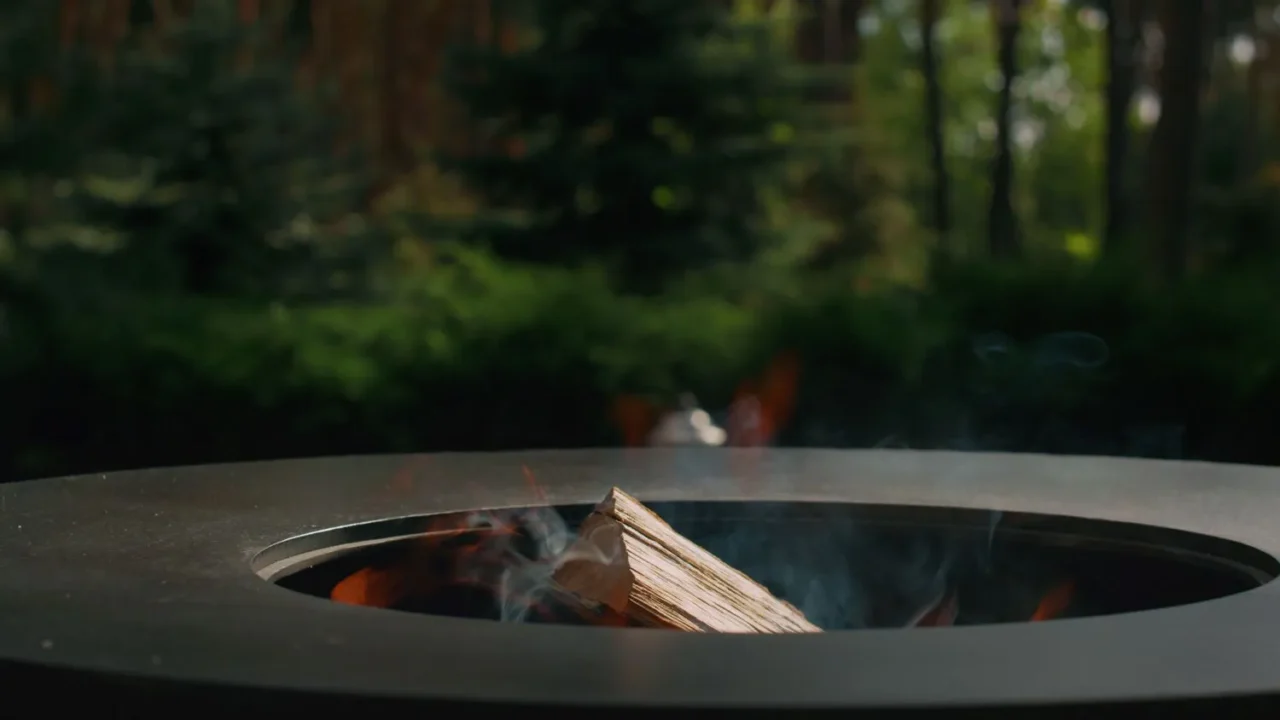
What Actually Makes Wood “Best” for a Fire Pit?
When people search for the best wood for fire pits, they’re usually trying to solve common outdoor fire problems: difficulty lighting the fire, excessive smoke blowing toward seating areas, or logs that burn out too quickly.
In practice, good fire pit wood should provide:
– Easy ignition outdoors
– A steady, visible flame
– Manageable smoke levels
– Consistent heat output
– Reliable burn behaviour
The most important factor behind all of these characteristics is moisture content. Firewood that contains too much moisture wastes energy evaporating water before producing usable heat. This results in weak flames, heavy smoke, and a frustrating lighting process.
| Fire Pit Performance Factor | Why It Matters Outdoors | What to Look For |
| Moisture content | High moisture creates smoke and weak flames | Dry, ready-to-burn logs |
| Ease of ignition | Outdoor fires need to light quickly in open air | Consistently dried logs |
| Flame stability | Wind and airflow affect outdoor fires | Dense logs that burn steadily |
| Smoke control | Smoke can drift toward seating areas | Low-moisture firewood |
| Heat output | Outdoor spaces lose heat faster than indoor fires | Logs that maintain a steady burn |
Dry, properly prepared logs burn more cleanly and predictably, which is why moisture consistency is usually more important than the specific type of tree the wood came from.
If you want to understand this in more detail, our guide on the benefits of kiln-dried logs explains why moisture levels have such a significant impact on burn quality.
Why Moisture Levels Matter for Outdoor Fires
Outdoor fires behave differently from indoor wood burners. Wind, airflow, and open surroundings all influence how a fire develops. Because of this, damp or poorly dried wood often becomes much more noticeable in a fire pit than in enclosed systems.
Higher moisture levels can lead to:
– Excessive smoke
– Difficulty lighting the fire
– Weak or unstable flames
– Reduced heat output
Properly dried firewood burns more efficiently and produces a cleaner flame. This is especially important when people are sitting nearby, as smoke drifting across seating areas can quickly spoil the atmosphere of an outdoor gathering.
Choosing consistently dry logs is one of the simplest ways to improve the performance of a garden fire pit.
In our experience, most issues people encounter with outdoor fire pits come down to moisture rather than the wood itself. Fires that are difficult to light, logs that struggle to stay burning, and smoke drifting across seating areas are usually signs that the firewood contains too much moisture. Once people switch to consistently dry logs, the difference in flame stability and smoke levels is often immediate.
If you’re new to outdoor fires, our guide on how to get your fire pit started covers the basics of building a strong, reliable flame.
Olive Wood for Fire Pits
One example of a naturally dense, slow-burning firewood often used for outdoor fires is olive wood. Known for its distinctive grain and solid structure, olive wood burns with steady heat and produces an attractive, lively flame.
Because of its density, it tends to maintain a stable burn once the fire is established. This makes it particularly well suited to outdoor environments where airflow can otherwise cause inconsistent flames.
Olive wood is also commonly used for outdoor cooking and pizza ovens, where a strong, reliable heat source is essential. Many people enjoy the subtle aroma it produces during combustion, which adds another layer of atmosphere to outdoor fires.
For garden fire pits that double as social gathering spaces, reliable burn behaviour and strong flame visibility are often more important than simply producing maximum heat. Dense, well-prepared firewood performs particularly well in these situations.
We particularly like olive wood for outdoor fires because it produces a strong, steady flame that works well in open-air environments. Its dense structure allows the fire to maintain good heat once established, which is ideal for garden fire pits where airflow can sometimes cause weaker flames. Many people also appreciate the subtle aroma olive wood creates when burning, which adds to the atmosphere of an outdoor gathering.
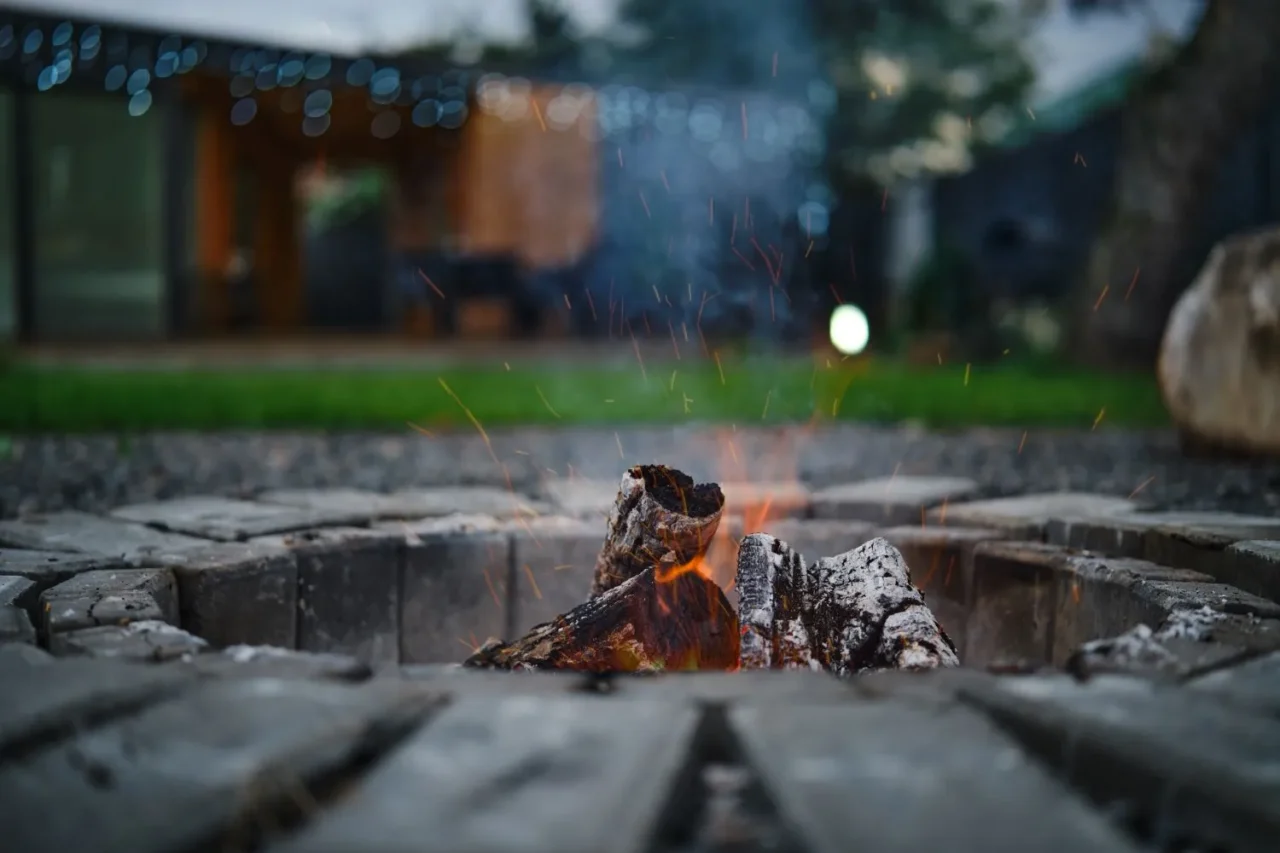
Fire Pits in the Garden: Creating Comfortable Outdoor Heat
Fire pits have become a popular feature in gardens because they extend the use of outdoor spaces beyond the warmer months. A well-managed fire pit can provide gentle heating for patios, seating areas, and outdoor dining spaces long after sunset.
For these settings, firewood that burns steadily and produces manageable smoke is especially important. Guests are typically seated around the fire, so a consistent flame and predictable burn make the experience far more enjoyable.
Outdoor fires are also often used for visual ambience rather than pure heat output. The right firewood should create a stable flame that looks impressive while still producing enough warmth to make cooler evenings comfortable.
When fire pits are used regularly throughout the spring and autumn months, reliable firewood becomes an important part of the overall outdoor setup.
Fire Pits, BBQs & Outdoor Cooking
Many fire pits now double as cooking spaces. Grills, pizza ovens, and wood-fired outdoor kitchens rely on steady, controllable heat to cook food properly.
When cooking over wood, fire behaviour becomes even more important. Consistent flames and predictable heat levels help maintain cooking temperatures and reduce unwanted smoke.
This is why many outdoor cooking setups rely on dense, well-prepared firewood that burns evenly. Reliable fuel makes it easier to control heat levels and maintain a steady cooking environment.
If you’re lighting a pizza oven for the first time, our guide on how to light a pizza oven with kindling explains how to build a strong, stable fire from the start.
Planning Ahead: Firewood for Outdoor Gatherings
Outdoor fires often happen spontaneously, but running out of logs halfway through an evening can quickly end the atmosphere. For households that regularly use fire pits or outdoor heaters, it often makes sense to plan ahead and keep a reliable supply of firewood available.
Bulk purchasing can help ensure consistency across the season and reduce the need for repeated orders during colder evenings. Many households also prefer having logs delivered directly to their home rather than transporting smaller quantities themselves.
If you’re unsure how much to order, our firewood buying guide explains what to look for and how to choose the right quantity for your setup.
Reliable delivery options mean you can focus on choosing quality firewood rather than relying solely on local availability. We’ll be covering this in more detail in an upcoming guide to firewood delivery across the UK.
Storing Firewood for Outdoor Use
Even well-prepared firewood needs to be stored correctly to maintain its performance.
Logs should be kept:
– Off the ground
– In a ventilated area
– Protected from direct rain
– Covered without restricting airflow
Good storage prevents moisture from re-entering the wood and ensures the logs remain easy to light when needed. Keeping firewood dry and well ventilated helps maintain clean combustion and consistent burn behaviour.
If you’re unsure about the best way to store logs, our guide on how to store your firewood explains how to keep firewood in good condition throughout the season.
FAQs
Avoid burning treated wood, painted timber, construction offcuts, MDF, plywood, or driftwood. These materials can release harmful chemicals when burned. Only natural, untreated firewood should be used in outdoor fires.
No firewood is completely smoke-free, but dry logs produce significantly less smoke. Firewood with low moisture content burns more cleanly and creates a steadier flame, which helps reduce smoke in outdoor fire pits.
Wood that has been chemically treated or manufactured should never be burned. This includes pressure-treated timber, painted wood, MDF, plywood, and laminate boards, as they can release toxic fumes when burned.
Final Thoughts
The best wood for fire pits isn’t defined by a single tree species. In most situations, the key factors are dryness, burn consistency, and reliable heat output.
Firewood that lights easily, burns steadily, and produces manageable smoke creates a far better outdoor experience. Whether you’re heating a garden seating area, hosting friends around a fire pit, or cooking outdoors, choosing properly prepared logs makes a noticeable difference.
If you’re unsure which firewood is best suited to your setup, you can explore our firewood guide for more information and advice, or contact our team for help choosing the right option for your outdoor fires.