


Buying firewood for the first time can feel surprisingly confusing. Different log types, moisture levels, bag sizes, delivery options, and price differences can make it difficult to know where to start.
This guide explains everything you need to know as a beginner, from choosing the right type of firewood to understanding delivery, storage, and how much you’ll realistically need. Whether you’re installing your first wood burner, planning winter heating, or preparing for occasional fires, this will help you buy with confidence.
If you’d like a deeper overview of how different firewood types compare, read our complete guide to firewood.
What Beginners Need to Know
– Always choose dry, ready-to-burn logs.
– Moisture content affects heat, smoke, and ease of lighting.
– Bulk buying is usually better value if you burn regularly.
– UK-wide delivery makes quality more important than proximity.
– Proper storage protects performance over the season.
Step 1: Understand What Makes Good Firewood
As a beginner, the most important factor is moisture content.
Firewood that contains too much moisture:
– Is harder to light
– Produces more smoke
– Generates less usable heat
– Can increase residue inside your stove or chimney
Look for logs that are suitable for immediate use and prepared to burn cleanly. Dry, well-processed firewood will light more easily and provide steadier heat.
From our experience, most first-time buyers who struggle with firewood are usually dealing with inconsistent moisture rather than the wrong “type” of wood – if you’re unsure which option to choose, see our guide to the best kiln-dried logs to buy in the UK.
To understand how moisture levels affect performance, read our guide on the difference between kiln-dried and air-dried logs.
Step 2: Decide How You’ll Be Using It
The way you plan to use your firewood determines what matters most.
If you’re heating your home regularly, consistency and efficiency become priorities. If you’re lighting an occasional outdoor fire, ease of ignition and convenience may matter more.
Outdoor fires have also become increasingly popular for camping and glamping trips, where low-smoke kiln dried logs can make fire pits, BBQs and outdoor cooking areas far easier to manage in changing weather conditions.
For wood burners and enclosed systems, cleaner combustion and predictable burn behaviour are especially important. Outdoor fires allow for more flexibility, but good-quality firewood still improves the overall experience.
If you’re unsure what suits your setup, it’s always better to choose reliability over experimentation, particularly in winter – read our guide on choosing the right wood-burning stove for your home to help you decide.
| If You Want To… | What Matters Most | What to Look For | Why It Helps |
| Heat your home regularly | Consistent heat output | Extra-dry / ready-to-burn logs | Improves efficiency and reduces smoke |
| Light a fire quickly | Easy ignition | Dry logs + kindling + firelighters | Faster flame build-up |
| Reduce smoke and residue | Low moisture content | Properly dried logs | Cleaner combustion and less build-up |
| Avoid running out in winter | Seasonal planning | Bulk or larger orders | Greater reliability during cold spells |
| Keep things simple as a beginner | Predictable performance | Consistently processed firewood | Less frustration and easier fire control |
| Order without relying on local stock | Reliable logistics | Clear UK delivery options | Quality over proximity |
Choosing the right stove is just as important as choosing the right fuel, especially if you’re planning to heat your home efficiently throughout the colder months.
Step 3: How Much Firewood Do You Actually Need?
One of the most common beginner mistakes is underestimating volume.
If you only light a fire occasionally at weekends, smaller quantities may be enough. However, if you plan to rely on a wood burner through autumn and winter, you’ll likely need more than expected.
Bulk buying often works out better value across the season and reduces the stress of reordering during cold spells. We often recommend thinking in terms of seasonal usage rather than single fires, especially once winter demand increases.
Proper storage (dry, ventilated, off the ground) ensures your logs maintain their performance throughout the season.
Step 4: Firewood Delivery: What Beginners Should Know
Many beginners assume they need to buy from the nearest supplier. In reality, national delivery networks mean you can prioritise quality and reliability over proximity.
Firewood delivery in the UK is typically available via:
– Boxed courier delivery for smaller quantities
– Pallet delivery for bulk orders
If you’re ordering larger volumes, ensure your property has suitable access for delivery vehicles. Reliable suppliers will provide clear guidance on this before dispatch.
We deliver firewood across the UK, and many customers are surprised at how quickly quality logs can arrive, even in busier winter periods.
If you’re new to ordering firewood, it’s worth planning slightly ahead during peak season to avoid supply pressure during cold snaps.
You can explore our UK-wide firewood delivery options here.
Best selling products
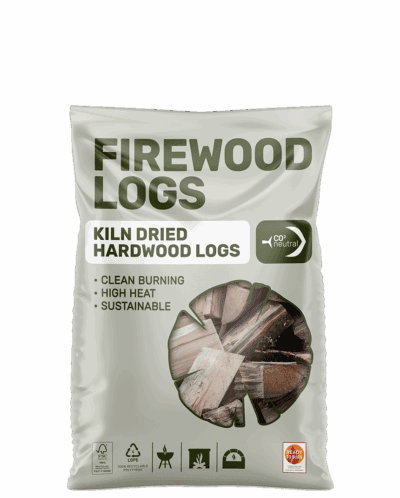
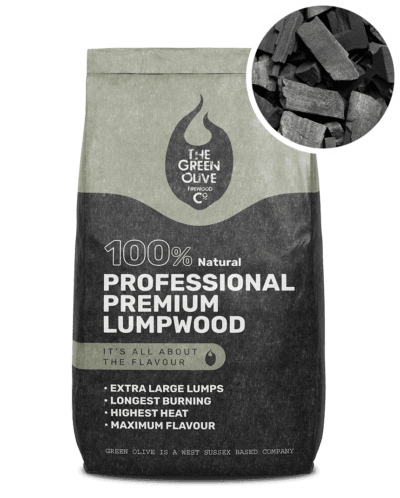
Step 5: What to Look for When Comparing Suppliers
Beginners often focus on price alone. While cost matters, it shouldn’t be the only factor.
Consider:
– Moisture consistency
– Clear delivery terms
– Transparent sourcing
– Reliable availability
– Positive customer reviews
Good firewood should perform predictably. Inconsistent logs often cost more in frustration than they save upfront, which is why understanding the benefits of kiln-dried logs can make a noticeable difference.

Step 6: Storing Firewood Properly
Even the best firewood can suffer if stored incorrectly.
Logs should be kept:
– Off the ground
– In a ventilated area
– Protected from direct rain
– Not sealed in airtight coverings
Air circulation is essential. Proper storage maintains performance and prevents moisture reabsorption.
Mistakes Beginners Often Make
Most beginner frustrations with firewood are avoidable. One of the most common mistakes is buying logs without considering moisture content, which can lead to poor ignition, excess smoke, and disappointing heat output. Another is underestimating how much wood will be needed during winter, resulting in repeated last-minute orders during peak demand.
Improper storage is also a frequent issue, as logs that are left directly on the ground or sealed without ventilation can absorb moisture and lose performance. Finally, choosing purely on price rather than consistency and reliability often leads to a frustrating first experience. Starting with properly prepared, dry firewood removes most of these early obstacles and makes the process far more straightforward.
Frequently Asked Questions
Place firelighters at the base, add dry kindling in a loose criss-cross pattern, and light the firelighters. Allow the kindling to catch properly before adding small logs, then increase log size gradually as the fire builds. Avoid adding too much too early, as airflow is essential.
It depends on usage. For occasional evening fires, it may last several days. If you use a wood burner regularly for heating, it can be used much more quickly. Frequency, appliance efficiency, and burn temperature all affect how long it lasts.
Final Thoughts
Buying firewood for the first time doesn’t need to be complicated. Focus on moisture consistency, realistic volume, and reliable delivery, and you’ll avoid most common pitfalls.
If you’re unsure what quantity or format suits your setup, we’re always happy to help. Getting the right advice early often saves both time and money over the course of a winter.
If you’d like to explore all your options in one place, visit our main firewood hub for a full overview of products and advice, or get in touch with us if you’d prefer personalised guidance for your setup.