


Kiln-dried logs have become the preferred firewood choice for many UK households, particularly during winter. But what actually makes them different? Are they genuinely better, or just marketed that way? And when does it really matter which type of log you use?
This guide explains exactly what kiln-dried logs are, why they perform differently, how burn quality changes, and when they’re the right choice for your setup.
If you rely on your stove or fire regularly, understanding this properly makes a noticeable difference to heat, efficiency, and long-term performance.
What Makes Kiln-Dried Logs Different?
– Kiln-dried logs are dried in controlled conditions to reduce moisture content.
– Lower moisture means easier lighting, more consistent heat, and less smoke.
– They burn cleaner, reducing residue and chimney build-up.
– They’re particularly effective for wood burners, winter heating, and cooking.
– They’re not always necessary for purely decorative or occasional outdoor fires.
Related: How are kiln dried firewood logs different from air dried logs.
What Are Kiln-Dried Logs?
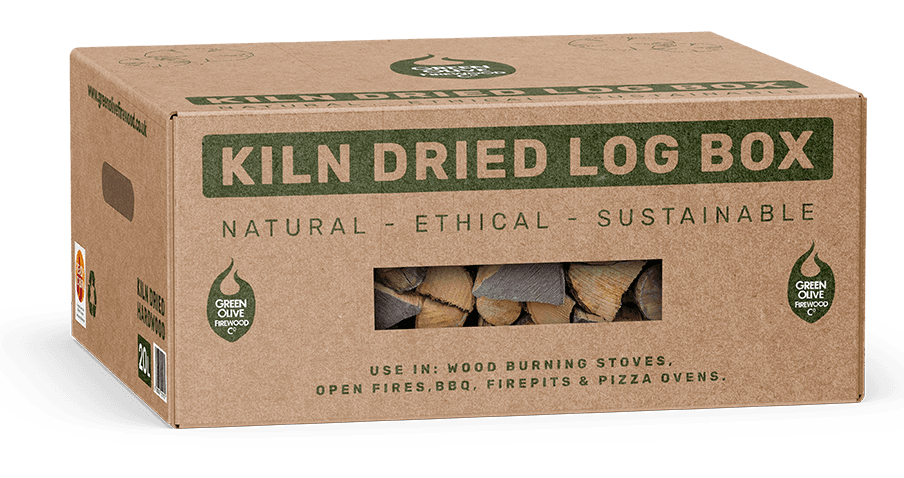
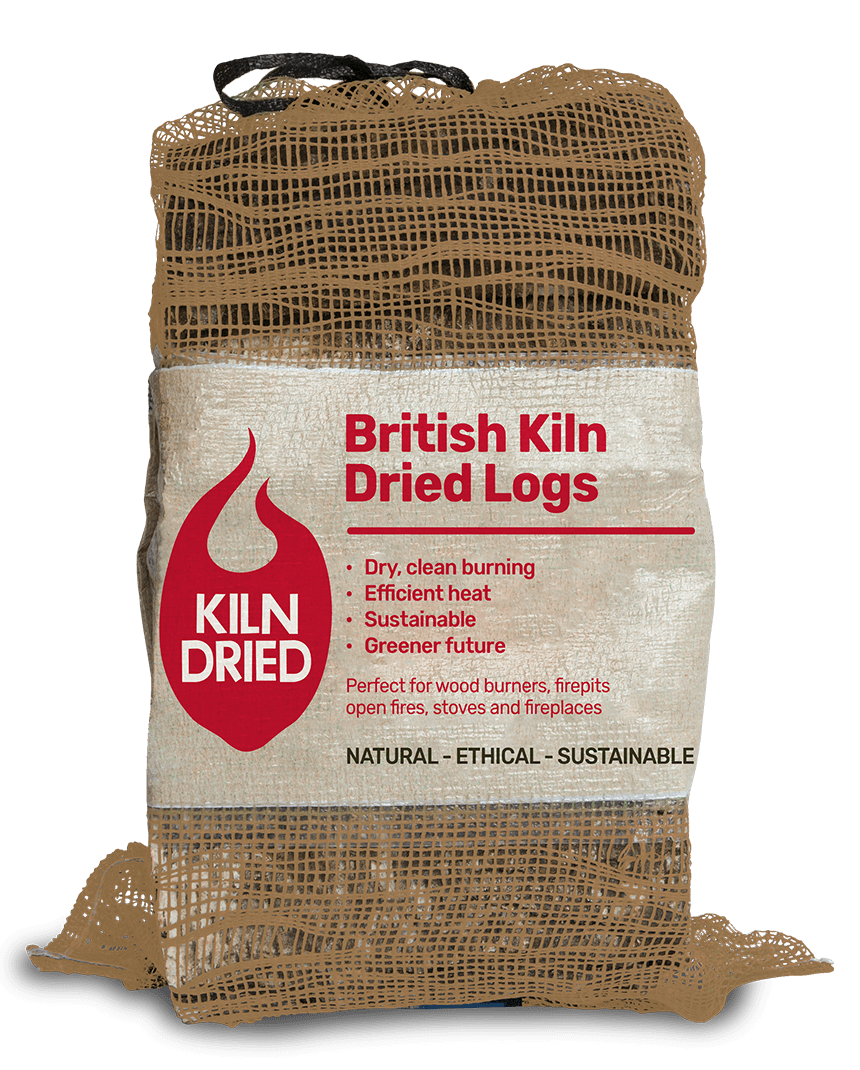
Kiln-dried logs are firewood logs that have been dried in a controlled environment, rather than left to dry naturally over time. The kiln process reduces the moisture content to a low, consistent level, making the logs ready to use immediately.
Moisture content is the single most important factor affecting firewood performance. When wood contains excess moisture, a large portion of its energy is wasted evaporating water before it can generate usable heat. Kiln drying removes this unpredictability.
In practical terms, kiln-dried logs are:
– Consistently dry
– Easier to ignite
– Cleaner burning
– More predictable in performance
For households that rely on wood for regular heating, that consistency matters far more than many people realise.
Why Kiln-Drying Improves Burn Quality
Burn quality isn’t just about how impressive the flames look. It directly affects how much usable heat you generate, how easily your fire lights, how much smoke is produced, and how well your appliance performs over time.
The key difference comes down to moisture control.
From our experience working with customers across the UK, consistency is usually what matters most, not just how hot a fire burns, but how predictably it performs day after day.
What Are Kiln-Dried Logs?
Kiln-dried logs are firewood logs that have been dried in a controlled environment, rather than left to dry naturally over time. The kiln process reduces the moisture content to a low, consistent level, making the logs ready to use immediately.
Moisture content is the single most important factor affecting firewood performance. When wood contains excess moisture, a large portion of its energy is wasted evaporating water before it can generate usable heat. Kiln drying removes this unpredictability.
In practical terms, kiln-dried logs are:
– Consistently dry
– Easier to ignite
– Cleaner burning
– More predictable in performance
For households that rely on wood for regular heating, that consistency matters far more than many people realise.
Why Kiln-Drying Improves Burn Quality
Burn quality isn’t just about how impressive the flames look. It directly affects how much usable heat you generate, how easily your fire lights, how much smoke is produced, and how well your appliance performs over time.
The key difference comes down to moisture control.
From our experience working with customers across the UK, consistency is usually what matters most, not just how hot a fire burns, but how predictably it performs day after day.
Moisture Content and Heat Efficiency
When logs contain excess moisture, a significant portion of their energy is used to evaporate water before real heat can be produced. Kiln-dried logs reduce this waste. Because less energy is spent boiling off moisture, more is converted into usable heat.
In practical terms, this means quicker ignition, faster temperature build-up, and a stronger, more stable flame once the fire is established.
More Predictable Burn Performance
Even drying leads to more consistent combustion. Rather than fluctuating between weak and intense burning phases, kiln-dried logs provide steadier heat output.
For enclosed systems such as wood burners, this predictability makes temperature control easier and improves overall efficiency.
Cleaner Combustion and Reduced Smoke
Logs with higher moisture levels tend to produce incomplete combustion, which results in heavier smoke and increased emissions. Properly kiln-dried logs burn more cleanly, generating less visible smoke and fewer airborne particles.
This cleaner burn is especially beneficial in residential settings and smoke control areas, where excessive smoke can be both a nuisance and a compliance issue.
Related: Burning logs regulations.
Reduced Residue and Long-Term Appliance Care
Burning damp wood increases soot and creosote build-up inside flues and chimneys. Over time, this can reduce efficiency and lead to higher maintenance requirements.
By contrast, kiln-dried logs help minimise residue, keeping stove glass clearer, reducing chimney deposits, and supporting more efficient long-term appliance performance.
For practical steps to keep your chimney and stove operating safely, read our full fire safety guide.
Burn Quality Explained: What Actually Changes?
To make this clearer, here’s a simplified comparison of how burn characteristics are affected by moisture control.
| Performance Factor | Higher Moisture Logs | Kiln-Dried Logs |
| Ease of Lighting | Slower ignition | Lights more easily |
| Heat Output | Energy lost to moisture evaporation | More energy converted to heat |
| Smoke Levels | Higher smoke production | Cleaner, lower-smoke burn |
| Flame Stability | Fluctuates | More consistent |
| Residue Build-Up | Increased soot/creosote | Reduced residue |
The key difference isn’t species, it’s moisture consistency. To make sure your logs maintain their performance over time, read our guide on how to store your firewood correctly.
When Kiln-Dried Logs Are the Best Choice
Kiln-dried logs aren’t always about “premium” they’re about reliability. Here’s when they make the most sense.
Regular Winter Heating
If you rely on your stove as a primary or significant heat source during winter, consistency matters. Predictable ignition and steady burn quality reduce frustration and improve efficiency across the season.
Wood Burners & Enclosed Appliances
Wood-burning stoves benefit from:
- Controlled combustion
- Stable temperature
- Reduced smoke build-up
Lower moisture content supports optimal stove operation. If you’re considering upgrading or installing a stove, read our guide on choosing the right wood-burning stove for your home.
Smoke-Control Areas
In areas with air quality restrictions, clean-burning logs are essential. Consistently dried firewood helps reduce excessive smoke production.
Outdoor Cooking & Pizza Ovens
For cooking, performance and cleanliness are critical. Consistent burn quality supports:
- Reliable high heat
- Minimal unwanted smoke
- Better control during cooking
Bulk Seasonal Buying
If you’re purchasing firewood in bulk for winter, starting with consistently dried logs reduces the risk of mixed moisture levels across larger volumes.
We often recommend kiln-dried options for customers planning seasonal stock-ups because it removes uncertainty over how the logs will perform once stored correctly.
To plan ahead and avoid mid-season shortages, see our firewood home delivery options.
When Kiln-Dried Logs Might Not Be Necessary
There are situations where kiln-dried logs may not be essential.
- Occasional summer fire pit use
- Decorative outdoor fires
- Short, infrequent burns
If the fire is primarily for atmosphere rather than heat performance, moisture precision may matter less.
However, even in these cases, ease of lighting and reduced smoke can still improve the experience.
Common Misconceptions About Kiln-Dried Logs
“All logs burn the same.”
They don’t. Moisture levels significantly affect burn quality, smoke levels, and usable heat.
“Cheaper logs are better value.”
Lower upfront cost doesn’t always mean better performance. If a large portion of the fuel’s energy is spent evaporating moisture, overall efficiency drops.
“Kiln-dried logs are only about marketing.”
While marketing exists in every industry, moisture control is a measurable performance factor. Burn behaviour changes when moisture content changes, that’s physics, not branding.
British Sourcing & Responsible Supply
Provenance matters to many UK customers, particularly those who want transparency around where their fuel comes from and how it has been processed.
British-sourced firewood offers clearer traceability, shorter supply chains, and often more consistent availability throughout the season. It also supports responsible woodland management and local forestry practices. When combined with proper drying, this creates a fuel option that is not only reliable in performance, but aligned with long-term sustainability.
We regularly work with customers across the UK who prioritise clean-burning, responsibly sourced logs that perform consistently through winter. For many households, reliability over an entire season matters far more than any single product claim.
To learn more about where your fuel comes from, read about our ethical and sustainable sourcing practices.
Bulk vs Smaller Orders: Performance Over a Season
If you burn regularly, the decision isn’t just about the type of log, it’s about how much you’ll realistically need across the season.
Larger orders reduce the pressure of repeated reordering, particularly during winter when demand spikes can affect availability. Buying in bulk also improves consistency, ensuring that the same level of moisture control and performance carries through from the first fire of the season to the last.
Provided logs are stored correctly, dry, ventilated, and off the ground, kiln-dried firewood maintains its performance over time. For households using firewood as a regular heating source, bulk purchasing often provides greater peace of mind during colder months.
We often speak to customers who only realise the difference moisture makes after struggling through a winter with inconsistent logs.
Are Kiln-Dried Logs Always the Best Option?
In most performance-focused situations, kiln-dried logs are the safer choice. They offer reliable ignition, cleaner combustion, reduced smoke, and stable heat output, all of which matter when a fire is being used for regular heating or cooking.
However, they may not always be essential for purely decorative or occasional fires, particularly in open outdoor settings where precision heat control is less important.
Ultimately, the right choice depends on how you use your fire. When consistency, cleanliness, and efficiency matter, moisture control becomes a measurable advantage.
Frequently Asked Questions About Kiln-Dried Logs
Kiln-dried logs don’t necessarily have more energy in the wood itself, but because they contain less moisture, more of that energy is converted into usable heat. Instead of wasting fuel evaporating water, the fire reaches temperature faster and burns more efficiently.
Yes, in most cases. Wood burners perform best with consistently dry fuel, as it improves combustion, reduces smoke, and limits residue build-up inside the stove and flue. Kiln-dried logs help maintain stable temperatures and cleaner operation over time.
Final Thoughts
Kiln-dried logs aren’t about branding, they’re about performance consistency.
Lower moisture content improves ignition, heat conversion, flame stability, and cleanliness. For UK households relying on wood burners, winter heating, or outdoor cooking, that reliability makes a tangible difference.
Choosing kiln-dried logs means choosing predictable burn quality, reduced smoke, and more efficient heat generation.
If you’re unsure which option best suits your setup or how much you might need across a season, our team is always happy to help. Get in touch and we’ll point you in the right direction based on how you use your fire.
If you’re ready to choose the right option for your setup, visit our guide to the best kiln-dried logs to buy in the UK.